- Solution area:Processes ,Technological innovation ,
- Аdministrative level:Municipality ,District ,State ,Federation ,
- Solution process:Digitization and technology ,Environment and sustainability ,Mining ,
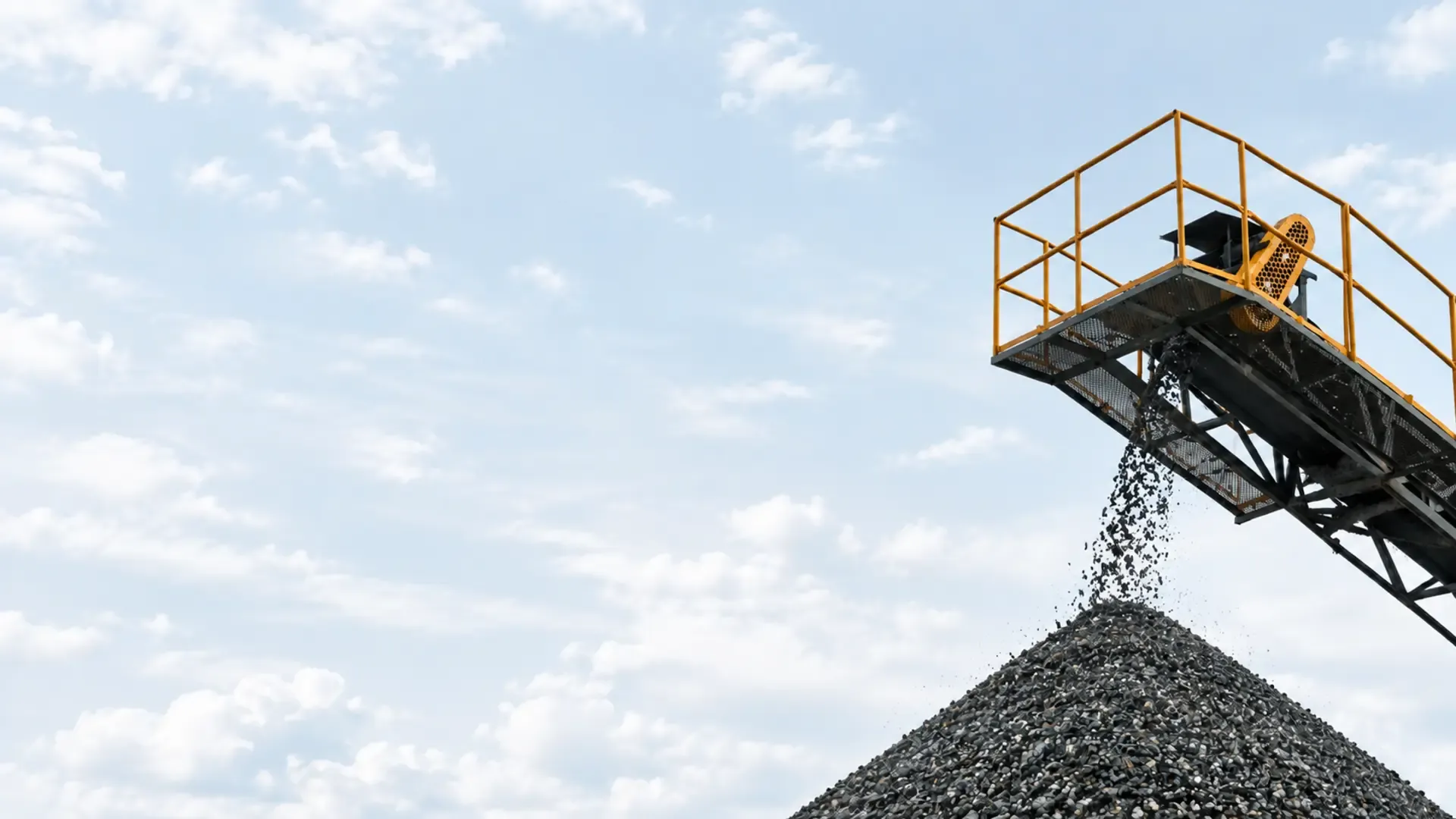
Critical raw material recovery from mining waste
Turning mining legacies into sustainable sources of critical raw materials
Historical mining waste such as tailings, low-grade waste rock and contaminated mine water can pose long-term environmental and financial challenges. At the same time, these mining legacies can contain valuable materials that can be recovered and returned to industrial value chains. An integrated approach to critical raw material recovery combines the remediation of former mining sites with resource recovery, transforming environmental liabilities into potential secondary raw material sources.
By combining modern minerals processing, water treatment, renewable energy and ESG-oriented project development, the approach supports the circular economy, resource efficiency and a more diversified supply of strategically important raw materials.
Download PDF
Quick Facts
How it works
Instead of treating historical mining waste solely as an environmental problem, the approach evaluates tailings, low-grade waste rock and contaminated mine water for their potential as secondary raw material sources. Suitable materials can be processed using modern recovery technologies, while water treatment and environmental remediation address the impacts of previous mining activities.
A practical example is the Arjaa Project in Suhar, Oman, where historical copper tailings are processed to recover marketable copper. Developed in cooperation with local and public-sector partners, the project converts mining waste into high-quality copper cathodes while pursuing a resource- and environmentally conscious approach. It also contributes to the industrial development objectives of Oman Vision 2040.
The model combines environmental remediation with economic use in a single project approach. Public authorities, mining companies and regional development organisations can benefit from reduced environmental liabilities, the recovery of critical raw materials and the creation of local economic value.
The Big Picture
The growing demand for critical raw materials makes the efficient use of existing resources increasingly important. Recovering materials that have already been mined can complement primary extraction while supporting circular economy principles and more diversified raw material supply chains.
At the same time, the approach creates an opportunity to address historical mining legacies that would otherwise require long-term remediation. By integrating mine remediation, resource recovery and sustainable mining technologies, former liabilities can be transformed into productive sites with environmental and economic value.
The model implemented in Oman is designed to be transferable to comparable mining regions in other countries. It therefore offers a framework for linking environmental protection, critical raw material supply, sustainable industrial development and local value creation.
Image: Adriano / Unsplash