- Solution area:Processes ,Regulations and compliance ,
- Аdministrative level:Federation ,
- Solution process:Mining ,Mobility and transportation ,Public service ,
- Technology:Information technology ,
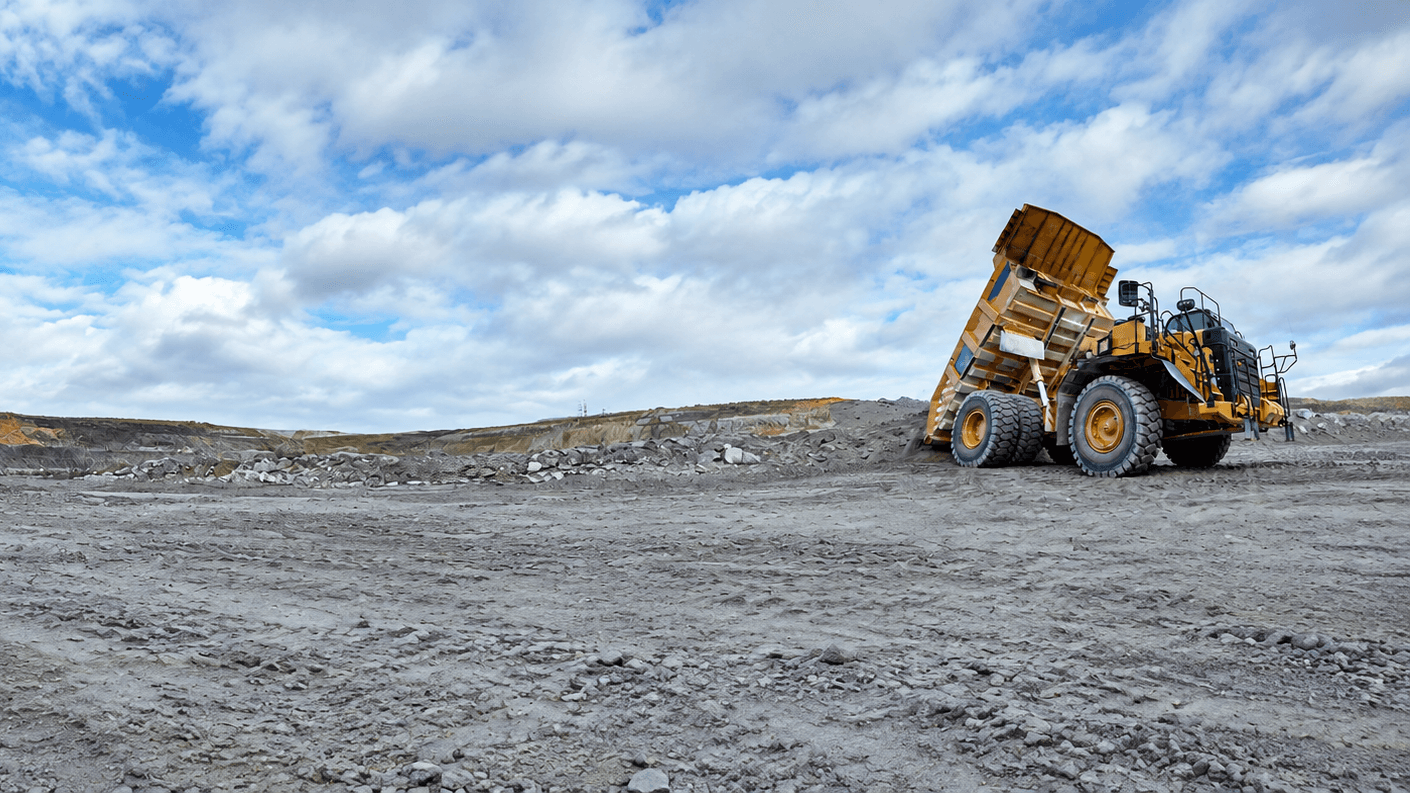
Conflict minerals due diligence
Strengthening responsible mineral supply chains through risk-based oversight
Responsible sourcing of minerals is essential to reduce the risk that raw material supply chains contribute to armed conflict or serious human rights violations. Austria implements the EU Conflict Minerals Regulation (EU) 2017/821, which establishes supply chain due diligence obligations for EU importers of tin, tantalum, tungsten, their ores and gold – commonly referred to as 3TG minerals – from conflict-affected and high-risk areas.
Austria complements these EU requirements with a national implementation framework designed to support compliance and effective regulatory oversight.
Download PDF
Quick Facts
How it works
EU importers whose imports fall within the scope and thresholds of the regulation must establish responsible sourcing practices based on the OECD Due Diligence Guidance.
The framework follows five key steps:
- establishing a management system
- assessing supply chain risks
- implementing a risk management strategy
- conducting independent third-party audits for relevant parts of the supply chain
- publicly reporting relevant information
In Austria, accompanying provisions were incorporated into the Mineral Resources Act. Importers concerned must notify the competent authority of relevant first EU imports in Austria by 31 March. The authority conducts ex-post checks to assess compliance, using a risk-based approach that prioritises importers with higher import volumes or elevated supply chain risks. Checks can include requests for documentation as well as on-site inspections.
Traceability is a central element of the system. Depending on the case, importers must provide information such as the country of origin, mineral description, supplier details, available extraction data, risk assessments and records of third-party audits.
The Big Picture
Austria’s implementation demonstrates how responsible mineral sourcing requirements can be translated into a practical national oversight framework. The Austrian approach combines clearly assigned institutional responsibility, reporting obligations and risk-based compliance checks with the supply chain due diligence requirements established at EU level.
By strengthening transparency and traceability in 3TG supply chains, the framework supports the wider objective of preventing mineral extraction and trade from contributing to conflict financing and serious human rights violations. At the same time, it provides companies with a defined structure for identifying and managing supply chain risks. This makes Austria’s implementation a relevant example of how EU requirements for responsible mineral supply chains can be embedded in national administration and enforcement.
Image: Unsplash